
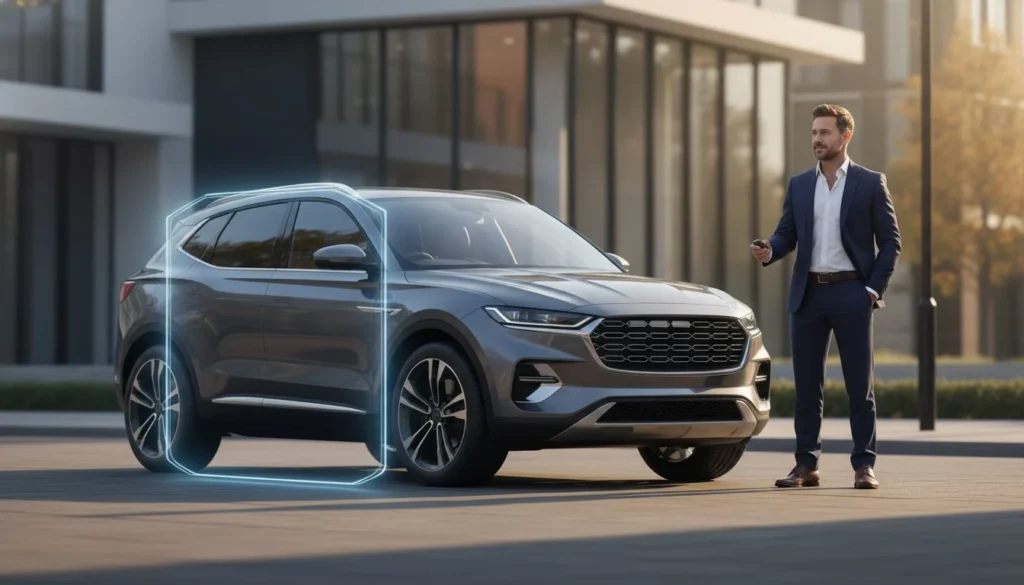
What Does Ghost Immobiliser TASSA Approved Mean?
If you are researching Ghost Immobiliser TASSA Approved, one of the most important things to understand is what TASSA verification actually means.
The Autowatch Ghost-II is currently described by its manufacturer as TASSA verified. It is a covert CAN-bus immobiliser that uses the vehicle’s existing buttons to create a personalised disarm sequence.
TASSA verification is relevant because it provides an additional indication that the security product and its installation meet the requirements of the relevant vehicle-security scheme.
However, TASSA verification should not automatically be interpreted as a guarantee of an insurance discount.
Insurance companies have their own requirements and underwriting policies, so drivers should confirm acceptance with their individual insurer.
Is the Ghost Immobiliser TASSA Approved?
The terminology is worth explaining.
The current Autowatch product information describes Ghost-II as TASSA verified rather than simply using the phrase “TASSA approved.”
This distinction is useful when researching Ghost Immobiliser TASSA Approved because online listings may use different wording.
If you are considering a Ghost immobiliser, check:
- The exact Ghost model
- Its current TASSA status
- The installer
- The installation requirements
- Your vehicle’s compatibility
- Your insurer’s requirements
Do not assume that every product carrying the Ghost name has identical certification or verification status.
What Is TASSA?
TASSA is associated with vehicle security and the assessment of security products and installation standards.
For consumers, a TASSA-verified security system can provide an additional point of confidence when choosing an aftermarket vehicle-security product.
However, TASSA verification should be considered alongside other factors, including the product’s features, professional installation, vehicle compatibility and insurance requirements.
When searching for a Ghost Immobiliser TASSA Approved product, it is therefore important to verify the current status of the exact system you intend to purchase.
How Does a Ghost Immobiliser Work?
A Ghost immobiliser is designed to add an additional electronic security layer to a compatible vehicle.
Rather than relying on a conventional visible keypad or separate immobiliser fob, the Ghost-II uses the vehicle’s existing controls.
The driver creates a unique sequence using buttons such as:
- Steering-wheel buttons
- Dashboard controls
- Window switches
- Other compatible factory controls
The exact controls available depend on the vehicle.
After the ignition is switched on, the driver enters the personalised sequence. Once the correct sequence is recognised, the system allows normal vehicle operation.
This means the system can provide an additional authentication step without requiring a separate visible security device.
Why Is TASSA Verification Important?
TASSA verification can be an important consideration when comparing aftermarket vehicle-security products.
For UK drivers, it can help provide additional information about the security product and its installation.
However, consumers should avoid assuming that a TASSA-verified system automatically means:
- Every insurer accepts it
- Every vehicle is compatible
- An insurance discount is guaranteed
- The vehicle cannot be stolen
- The system replaces every other form of security
Security products should always be considered within the context of the specific vehicle and insurance policy.
Ghost Immobiliser TASSA Approved vs Insurance Approved
These terms are not necessarily interchangeable.
TASSA verification relates to the security product and relevant installation standards.
Insurance recognition relates to whether an insurer accepts that particular security system for its own policy requirements.
An insurance company may have additional conditions.
For example, an insurer could require:
- A specific security category
- A recognised immobiliser
- A particular tracker
- Professional installation
- An installation certificate
- A tracking subscription
Therefore, if you are searching for Ghost Immobiliser TASSA Approved because your insurer has requested additional security, contact the insurer before arranging installation.
Can a TASSA-Verified Ghost Immobiliser Reduce Insurance Premiums?
It may affect how an insurer views your vehicle’s security, but a discount is not guaranteed.
Insurance premiums depend on many factors, including:
- Vehicle make and model
- Vehicle value
- Driver details
- Location
- Claims history
- Annual mileage
- Vehicle usage
- Security arrangements
- Insurer-specific underwriting
Some insurers may recognise additional security, while others may have different requirements.
Therefore, do not purchase a Ghost immobiliser solely because you expect your insurance premium to fall.
Instead, ask your insurer whether the exact Ghost system is recognised and whether it will have any effect on your policy.
What Should You Ask Your Insurer?
If insurance recognition is important to you, ask your insurer these questions before installation:
- Do you recognise the Autowatch Ghost-II?
- Is TASSA verification sufficient for my policy?
- Do you require a specific security category?
- Do you require professional installation?
- Does the installer need to meet any specific requirements?
- Do you need an installation certificate?
- Will the installation affect my premium?
- Does the Ghost immobiliser need to be declared?
- Do you also require a tracker?
- What documentation should I retain?
Getting these answers before installation can prevent confusion later.
Ghost Immobiliser TASSA Approved: What Are the Main Security Features?
The Ghost-II has several features that make it different from a traditional aftermarket alarm or visible immobiliser.
1. Personalised Disarm Sequence
The driver uses a unique sequence through compatible factory controls.
2. Covert Installation
The system is designed to be discreet rather than displaying a prominent aftermarket security device.
3. CAN-Bus Integration
The Ghost-II is designed to integrate with compatible vehicle electronics.
4. No Separate RF Key Fob for Normal Operation
The normal disarm process uses the vehicle’s own controls rather than requiring a conventional immobiliser fob.
5. Service and Valet Mode
Ghost-II includes a Service/Valet Mode designed for situations such as servicing or vehicle handovers.
6. Vehicle-Specific Compatibility
Compatibility depends on the exact vehicle, model and electronic architecture.
Autowatch maintains a compatibility database covering a wide range of vehicles and Ghost products.
Why Does Professional Installation Matter?
A Ghost immobiliser is integrated into the vehicle’s electronic systems, so professional installation is important.
Correct installation can help ensure that:
- The appropriate system is selected
- The vehicle is compatible
- The system is configured correctly
- The personalised sequence works correctly
- The immobilisation function operates as intended
- Relevant installation documentation is available
Professional installation can also be particularly important if your insurer requires evidence of how and where the security device was installed.
Always check the requirements of your insurer before booking an installation.
Does Every Ghost Immobiliser Have the Same TASSA Status?
You should not assume this.
The Ghost product range can change over time, and different Ghost systems may have different technical features and compatibility requirements.
For example, current Autowatch compatibility information lists Ghost-II, Ghost-III and Ghost Pro across different vehicles.
Therefore, when searching for Ghost Immobiliser TASSA Approved, identify the exact product rather than relying solely on the general “Ghost immobiliser” name.
Ghost-II vs Factory Immobiliser
Modern vehicles already contain factory immobilisation and security systems.
A Ghost immobiliser is designed as an additional aftermarket security layer.
| Feature | Factory Immobiliser | Ghost-II |
|---|---|---|
| Factory fitted | Usually | No |
| Electronic immobilisation | Yes | Yes |
| Additional security layer | Vehicle dependent | Yes |
| Personalised driver sequence | Usually no | Yes |
| Uses existing vehicle controls | Vehicle dependent | Yes |
| Covert aftermarket installation | No | Yes |
| Tracking capability | No | No |
| TASSA status | Vehicle dependent | TASSA verified |
| Insurance recognition | Policy dependent | Policy dependent |
The exact factory security equipment varies by vehicle, so compatibility and security requirements should always be checked.
Ghost Immobiliser vs Tracker
A common misunderstanding is that an immobiliser and tracker perform the same job.
They do not.
A Ghost immobiliser is designed primarily to restrict unauthorised vehicle operation.
A tracker is designed to provide vehicle location and support recovery.
| Feature | Ghost Immobiliser | Vehicle Tracker |
|---|---|---|
| Main function | Immobilisation | Location/recovery |
| Driver authentication | Yes | Depends on system |
| Vehicle location | No | Yes |
| CAN-bus security | Yes | Product dependent |
| Prevents unauthorised driving | Designed to help | Not its primary function |
| Monitoring subscription | Not generally required for immobiliser operation | Often applicable |
| Insurance requirements | Policy dependent | Policy dependent |
Some drivers may choose to use both technologies because they address different security objectives.
Is a Ghost Immobiliser Completely Theft-Proof?
No security system should be described as completely theft-proof.
A Ghost immobiliser is designed to make unauthorised vehicle use more difficult by adding another authentication and immobilisation layer.
However, vehicle theft methods continue to evolve.
The best approach is to think about security as a combination of sensible measures rather than relying on one device as an absolute guarantee.
Depending on your vehicle and circumstances, these measures could include:
- Factory security
- Electronic immobilisation
- Physical security
- Tracking
- Secure parking
- Key-security practices
- Professional security installation
What Documentation Should You Keep?
After having a Ghost immobiliser installed, keep relevant paperwork.
This may include:
- Installation invoice
- Installation certificate
- Product details
- Installer details
- Vehicle information
- Warranty information
- TASSA-related documentation where provided
Keeping these documents can make it easier to answer questions from your insurer and demonstrate what security system is installed.
Common Mistakes When Buying a TASSA-Verified Ghost
Assuming TASSA Means an Automatic Insurance Discount
TASSA verification and insurance pricing are separate considerations.
Choosing the Wrong Ghost Version
Always check the exact vehicle compatibility and product version.
Buying Based Only on Price
Installation quality, compatibility and aftercare can be important.
Not Checking Insurance Requirements
If your insurer has requested a specific security device, confirm that the Ghost system satisfies the exact requirement.
Assuming Every Vehicle Uses the Same PIN Controls
The available controls and installation method depend on the vehicle.
Forgetting Service Mode
Learn how to use Service/Valet Mode before handing the vehicle to a workshop or another person.
Ghost Immobiliser TASSA Approved Buying Checklist
Before purchasing:
- Identify the exact Ghost model.
- Check current TASSA verification.
- Confirm vehicle compatibility.
- Check your insurer’s requirements.
- Ask whether the system is recognised.
- Confirm installation requirements.
- Ask about documentation.
- Understand the difference between an immobiliser and tracker.
- Review warranty and aftercare information.
After installation:
- Set your personalised sequence.
- Confirm normal operation.
- Learn Service/Valet Mode.
- Keep your installation documents.
- Notify your insurer if required.
- Retain product information for future reference.
Frequently Asked Questions
Is the Ghost Immobiliser TASSA Approved?
The current Autowatch product information describes Ghost-II as TASSA verified.
What does TASSA verification mean?
TASSA verification relates to the vehicle-security product and relevant installation standards. It provides consumers with additional information when evaluating an aftermarket security system.
Does TASSA verification guarantee an insurance discount?
No. Insurance premiums and security-device recognition are determined by individual insurers and policies.
Is Ghost-II the same as a tracker?
No. Ghost-II is an immobiliser. A tracker provides vehicle-location functionality and serves a different security purpose.
Does Ghost-II use a PIN?
Ghost-II uses a personalised disarm sequence entered through compatible vehicle controls.
Does Ghost-II require a separate key fob?
Normal operation does not require a separate RF key fob. The system uses the vehicle’s existing controls for the personalised disarm sequence.
Can Ghost-II be fitted to every car?
No. Compatibility depends on the vehicle’s make, model, year and electronic architecture. Current Autowatch compatibility information should be checked before installation.
Does Ghost-II have Service Mode?
Yes. Ghost-II includes Service/Valet Mode for situations such as vehicle servicing or handovers.
Should I tell my insurer about a Ghost immobiliser?
You should contact your insurer and ask how the installation needs to be recorded under your policy. If your insurer has specific security requirements, confirm them before installation.
Final Thoughts
Ghost Immobiliser TASSA Approved is an important search term for UK drivers looking for additional vehicle security, but it is useful to understand the terminology behind the claim.
The current Autowatch information identifies Ghost-II as TASSA verified, with a covert CAN-bus design, personalised disarm sequence and Service/Valet Mode.
TASSA verification should not, however, be confused with an automatic insurance discount or universal insurer acceptance.
Before choosing a Ghost immobiliser, check the exact product, confirm vehicle compatibility, understand the current verification status and speak with your insurer if insurance recognition is important to you.
Looking for a Ghost Immobiliser?
If you’re considering a Ghost-II immobiliser, check compatibility with your vehicle and arrange professional installation.
Make sure you understand how the personalised disarm sequence works, keep your installation documentation and confirm any insurance requirements before fitting the system.